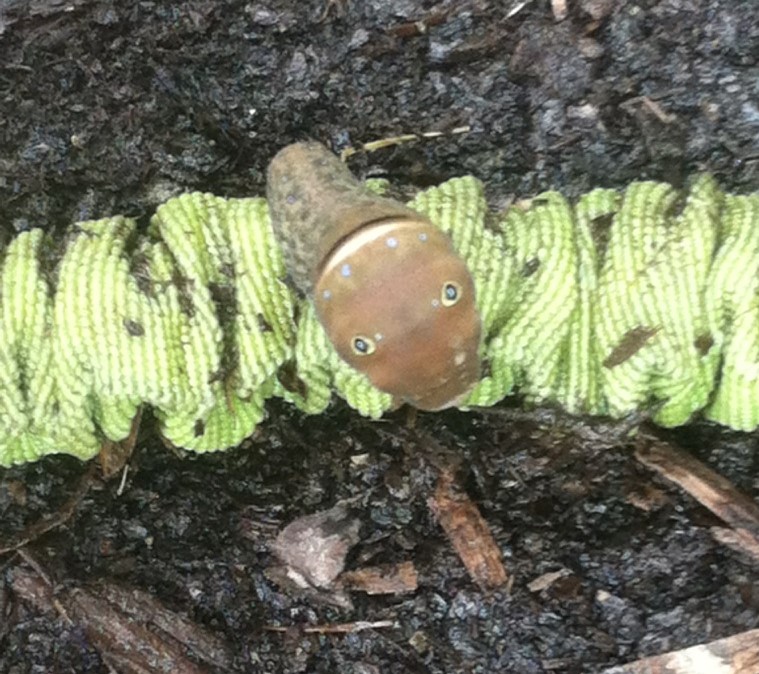
I have always been fond of slugs. As a child I would spend hours collecting and gathering them, large and small, on a rotten piece of tree bark. Only to be met with my sisters squeals of glee as she ran after us armed with a saltshaker to assault my new friends and my sense of decent humanity. As I have gained age and wisdom my fondness for slugs has not waned. I cringe every time I am in the presence of a product professing how it will “maim, kill and eradicate these pests” from your garden. Really? This is what we as gardeners, stewards of our land consider a humane and decent approach to keeping our sites healthy and pest free? I am disheartened by it all.
The label on these anti slug products do not mention the anguish these tiny souls must endure to meet an untimely end simply because they were following natures direction. The label will also neglect to identify all the other innocent souls who may be harmed or killed because the slug they had for breakfast was not wearing a warning vest or ingredient label to dictate what harmful chemicals it had previously consumed. Yes, there are “safe” products on the market that will only harm slugs – again I must ask, why? I understand you did not grow your prized hosta to become a slug banquet. The answer is not always found in do or die. Did you know – the slugs you kill will rot, promoting more slugs as they are attracted to carrion and are great decomposers. If you find you are over run with slugs this is an indicator that your ecosystem is off balance. Create balance in your ecosystem and you deal with your slug population in the most environmentally friendly way.
If you are really mad at all slugs and want an overnight solution – simply apply a nice border of vermiculite around your prized plants. The slugs will not cross it as it may cut their delicate bodies.
And everyone gardened happily ever after.
click the photo to follow an amazon link to the product
*Article written by Michelle Riley Horticulturist – as seen in the Joy of Medina County Magazine – Dig It garden column
“To get you started in beekeeping, if you know you want to be a bee keeper, RESEARCH – READ – LEARN – START HERE but DON’T STOP HERE” – Emily Mueller of Mueller’s Honeybee Removal in Akron, Ohio.
Are you wanting to create your very own honey hive this year? You have come to the right place – there is no better time than now to start gathering the basics you will need to create your own honey hive. Check out this video as Emily Mueller gives you a crash course in the basics of bee keeping. Then check out the links below to grab your own bee tools to get your hive underway.
The bare minimum you will need to get started:
BEE SUIT – “NEVER do an inspection without a bee suit. Bees can have good days and bad days”. – Emily Mueller
SMOKER – “Create natural smoke using things such as dried white pine needles or bark. You do not want to harm the bees with poison or chemicals in the smoker”. – Emily Mueller
HIVE – “Langstroth is the hive most commonly used in Ohio. An 8 frame box is lighter and easier to work with. It also mimics the smaller space of a bees natural tree set up. The smaller space also makes it easier for the bees to maintain the proper temperature in the winter months”. Emily Mueller
“Design results from human decisions. You can design with intention, which means you have a chance of doing it well, or you can let it happen, which means you will probably bungle the job. Design happens whether you’re aware you’re doing it or not paying attention. Nothing is un-designed. Things are badly designed, well designed, and points between”. –Mike Monteiro – from the book “You’re My Favorite Client”.
Looking through the window reveals a mesmerizing view of the world. In quiet preponderance of the frozen terrain, one may become clothed in the silence, eyes continuing to survey the grounds beyond them. Delving deeper into the sense of the season, deeper into the sense of the change that surrounds us…& the north wind blows.
I’ve just read some great things about Sansevieria plants (Mother-in-law’s tongue). Apparently they are great air purifiers, even removing formaldehyde from the air!
My question is twofold: 1) Do you know if I can buy these in a nursery in the Akron area and 2) How do I care for them once I get one home? The inside of my house is blocked from a lot of light, so I am hoping you’ll tell me they do well with little sun.
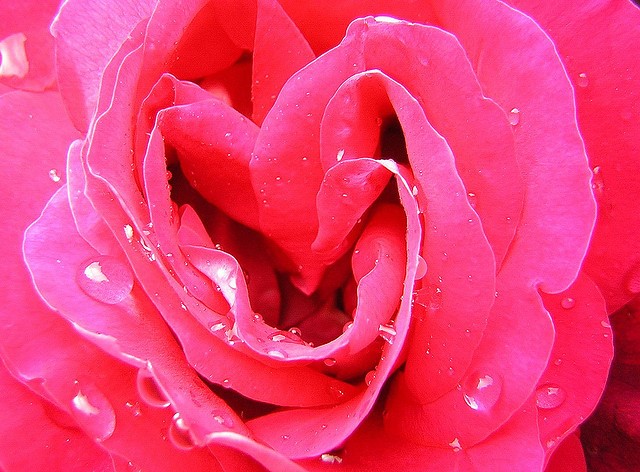
You’ve heard it before – A rose is a rose is a rose, or is it? Does a rose by any other name smell just as sweet? Do you know? Have you ever given it a thought? A question reaching high on your priority list, I know. You cannot deny it is an interesting question, admitting most of us think a rose smells like, well, a rose.



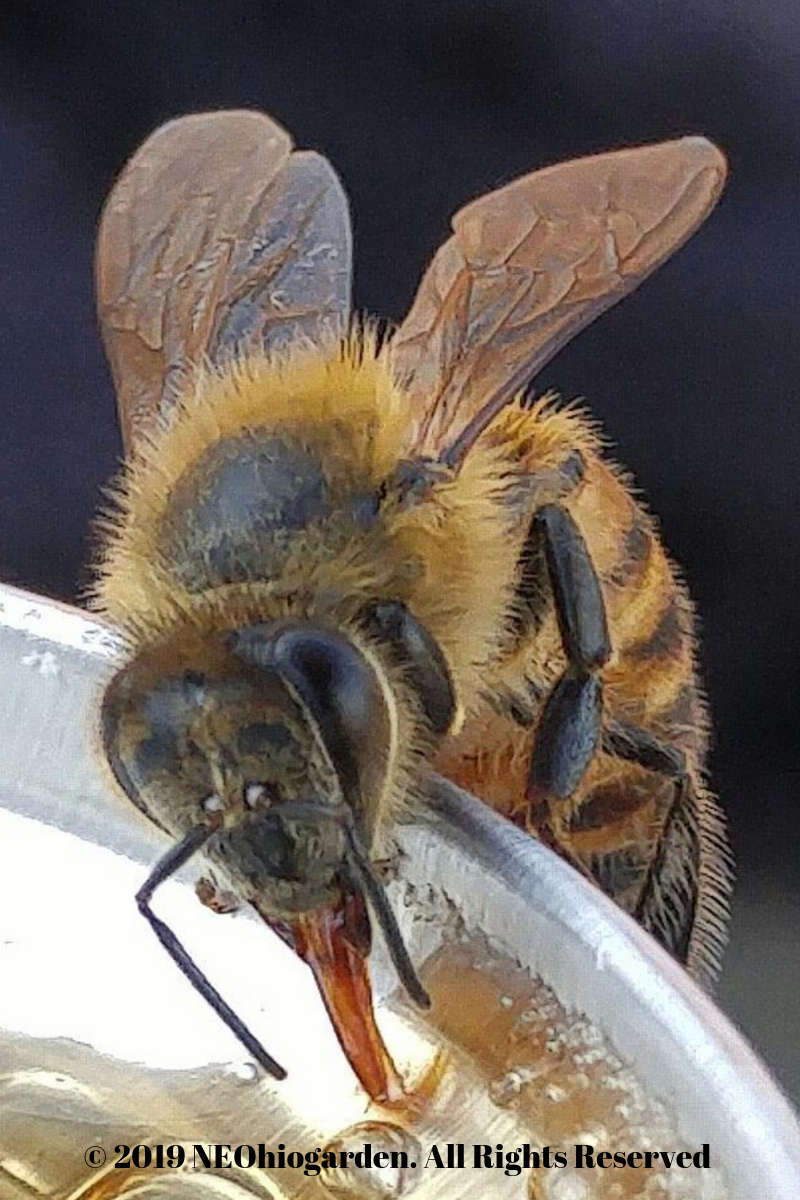
 Click here to check out the sting proof bee suit
 click here to grab a smoker
 click here to check out the Mr Clean gloves
 click here to purchase the j hooks
 click here for the 8 frame hive